

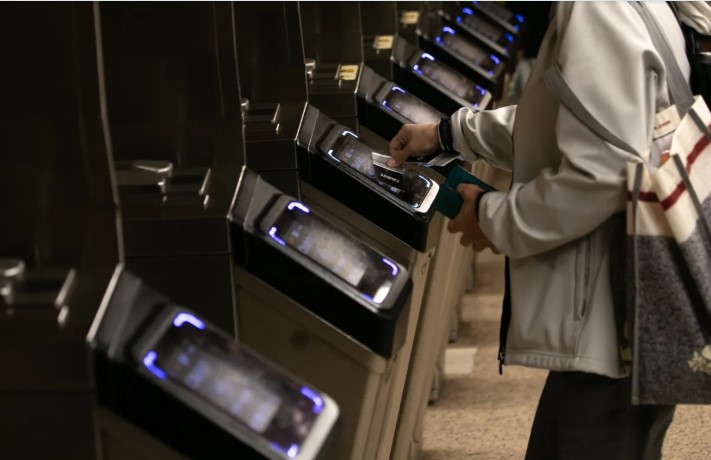
The promise of affordable transit remains out of reach for many New Yorkers, as a new report reveals that even a 50 percent discount isn’t enough to keep low-income residents moving. Despite the city’s Fair Fares initiative, which slashes subway and bus costs for adults earning under $23,940, nearly two-thirds of benefit recipients still find transit costs prohibitive. A survey of over 1,600 adults by the Community Service Society highlights a growing crisis of mobility, with one in five New Yorkers struggling to pay for basic transportation. The financial strain is so acute that many are forced to skip fares entirely, contributing to a broader revenue crisis for the MTA.
Compounding the issue is a bureaucratic logjam that has left nearly 60 percent of eligible residents unenrolled. Critics and researchers point to a “complicated and slow” application process that requires applicants to resubmit information they have already provided for other benefits like SNAP or cash assistance. With only 40 percent of eligible New Yorkers currently participating, transit advocates are calling for drastic reforms. Proposed solutions include “auto-enrollment” for those already receiving public aid and expanding the program to make transit entirely free for those living at or below the poverty line.
As the City Council weighs legislation to raise income eligibility limits to $31,920, the pressure is mounting to transform Fair Fares from a struggling pilot into a robust safety net. Advocacy groups like the Riders Alliance argue that the current system has yet to fulfill its mandate, suggesting that eligibility should eventually cover individuals earning up to $47,880. Without these systemic shifts, experts warn that the city’s most vulnerable will continue to be sidelined, unable to afford the very transit system designed to connect them to opportunity.