

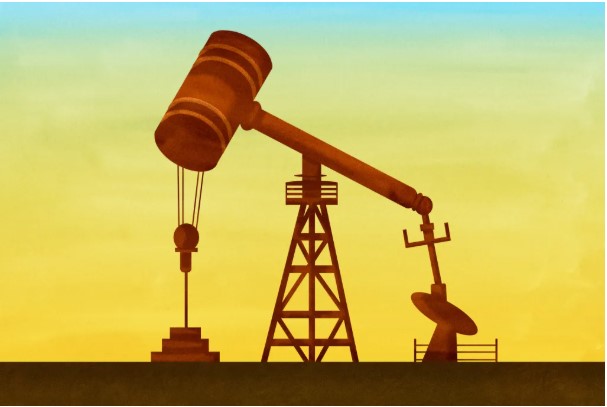
A fossil fuel industry-aligned legal program in the United States has come under scrutiny for hosting a judicial symposium aimed at shaping how judges view climate science, even as Republican lawmakers intensify allegations against climate-focused legal initiatives. The event, organised by the Antonin Scalia Law School at George Mason University, brought together around 150 judges in Nashville, promoting free-market perspectives while questioning established climate science.
The development comes amid a broader political campaign targeting the Climate Judiciary Project, an initiative designed to help courts better understand climate science. Republican leaders have accused the project’s affiliated scientists and lawyers of attempting to influence judicial decisions against oil companies. A formal congressional inquiry into the matter is currently underway.
At the same time, the George Mason symposium has drawn attention for its ties to fossil fuel funding and its emphasis on economic and business considerations in legal rulings. The programme is run by the university’s Law and Economics Center, which receives partial funding from ExxonMobil, a defendant in multiple climate-related lawsuits.
Recent weeks have also seen coordinated political efforts to shield fossil fuel companies from climate liability. Reports indicate that operatives linked to conservative networks have pushed for protective legislation across several states, while similar bills have been introduced at the federal level. Meanwhile, Florida’s attorney general has launched an investigation into alleged judicial influence involving the Environmental Law Institute, which oversees the Climate Judiciary Project.
The controversy follows earlier pressure on the Federal Judicial Center to withdraw a climate science chapter from its reference manual for judges. Despite being peer-reviewed and approved by leading scientific bodies, the chapter was retracted earlier this year after criticism from Republican attorneys general who claimed bias among its authors.
Further escalating tensions, House Judiciary Committee Chair Jim Jordan recently issued formal letters accusing climate law groups and associated legal actors of collusion and bias. The letters demand disclosure of communications and funding records, raising concerns over potential undue influence on the judiciary.
In contrast, organisers of the George Mason symposium have described the event as balanced and academically rigorous, stating that a diverse group of legal scholars contributed to discussions. However, critics note that several speakers and materials presented at the conference have previously supported the oil industry in court cases or questioned key aspects of climate science.
Internal documents suggest that the broader judicial education initiatives linked to the programme aim to promote libertarian economic principles among judges and influence legal outcomes over time. These programmes, often funded by conservative foundations and private donors, have engaged thousands of judges across the United States through seminars and retreats.
Observers say the parallel efforts—one focused on strengthening climate science literacy in courts and the other on fostering skepticism—highlight a growing battle over how climate-related cases will be argued and decided in the judiciary.