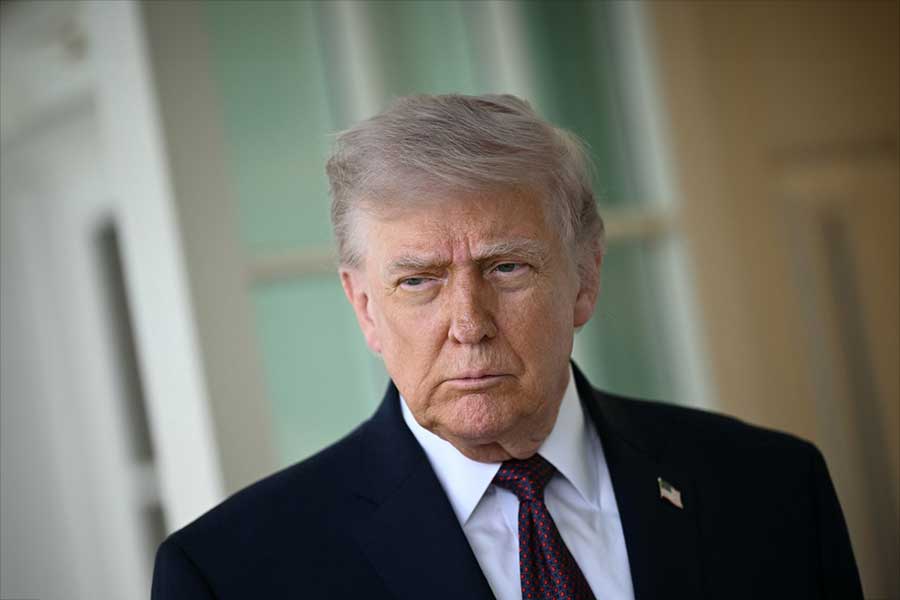

In an interview with Fox Business host Maria Bartiromo, U.S. President Donald Trump claimed that the war with Iran is “over.” A preview clip of the interview, set to air Wednesday on “Mornings with Maria,” was released Monday night, where Bartiromo directly asked whether the war had ended. Trump responded: “It’s over.” However, the reality inside and outside the White House appears far more complex — negotiations are ongoing, troops remain deployed, and no formal agreement has been signed.
Following a fragile ceasefire reached about two weeks ago, the Trump administration has continued diplomatic efforts. Vice President JD Vance met with Iranian officials in Islamabad, Pakistan, during the ceasefire period. However, the meeting ended without an agreement after Tehran insisted on retaining the right to enrich uranium for up to 20 years.
Since then, Vance, Special Envoy Steve Witkoff, and senior adviser Jared Kushner have continued discussions through intermediaries.
A U.S. official told CNN that additional meetings are under discussion, but nothing has been confirmed — underscoring the uncertainty behind Trump’s claim that the war is over. Trump himself told the New York Post that “something could happen” as the ceasefire deadline approaches, suggesting movement toward a broader deal.
Behind the scenes, the administration is reportedly considering multiple options, according to The Wall Street Journal. These include maintaining a heavy regional military presence without immediate escalation, conducting limited strikes on Iran’s nuclear and energy infrastructure, or pursuing a more aggressive strategy aimed at destabilizing Iran’s leadership. However, Trump appears reluctant to launch a large-scale bombing campaign, fearing it could trigger a wider regional conflict.
Meanwhile, tensions surrounding the Strait of Hormuz continue to rattle global energy markets. Oil prices have surged more than 40 percent since the conflict began, placing direct pressure on American households through higher grocery bills, electricity costs, and mortgage rates.
Analysts warn that if the ceasefire collapses, these economic pressures could intensify further.
Experts say Trump’s declaration that the war is “over” is better understood as a political message aimed at addressing growing domestic economic concerns and anti-war sentiment. Without a formal agreement, resolution of the nuclear dispute, and long-term stabilization of the Strait of Hormuz, they argue the conflict is not समाप्त but merely paused. Iran has made it clear it will not give up its right to uranium enrichment, while the United States remains unwilling to accept that position. This fundamental divide means the situation could shift rapidly in the coming days or weeks.