

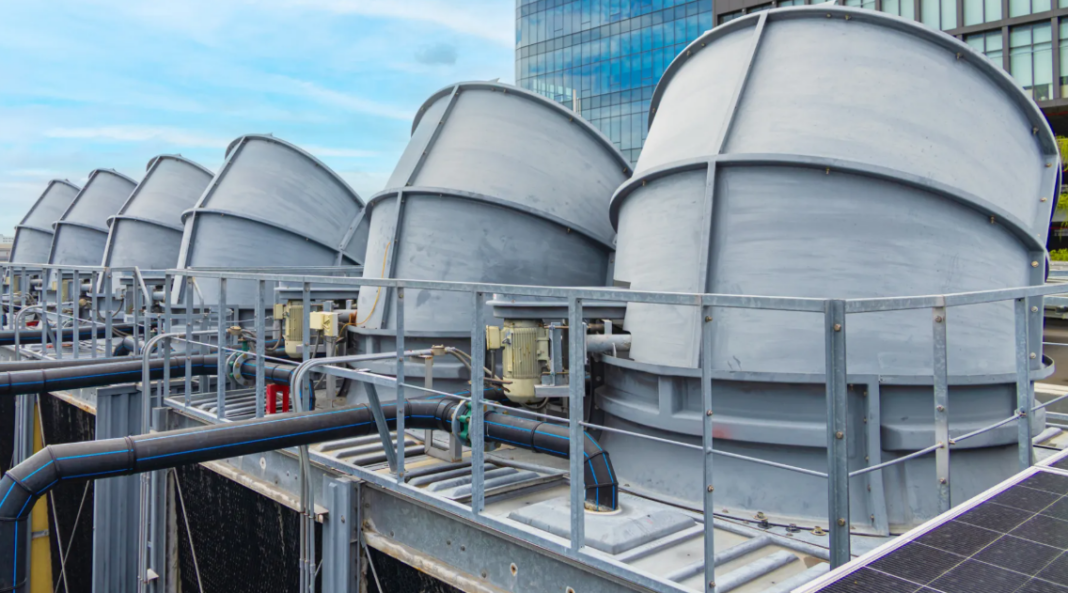
Following last summer’s deadly outbreak of Legionnaires’ disease in Harlem that killed at least seven people and sickened more than a hundred, New York City is enforcing stricter regulations on cooling towers. According to the city’s health department, new rules taking effect on May 8 will require all cooling tower operators to conduct Legionella testing at least once a month during active periods, especially in warmer months. Previously, testing was required once every 90 days.
Health officials said the outbreak was linked to contaminated cooling towers at multiple sites, including Harlem Hospital. Investigations found lapses in proper maintenance in some cases. Legionnaires’ disease is caused by Legionella bacteria, which spreads through tiny water droplets in the air and can lead to a severe form of pneumonia.
The new regulations also mandate that testing and maintenance be carried out under the supervision of qualified professionals, with increased penalties for violations. There are currently about 6,000 cooling towers across New York City, and authorities have begun expanding inspection staff to strengthen oversight.
Experts note that areas like Harlem and the Bronx face higher risks due to dense populations and higher rates of chronic illness. Between 2019 and 2022, more than 90 percent of those infected had at least one underlying health condition.
The outbreak has also raised questions about oversight failures. Allegations have emerged that some cooling towers were not properly registered or inspected, and lawsuits claim the actual death toll may be higher than officially reported.
City officials say the new rules are a preventive measure, but they caution that they cannot guarantee future outbreaks will be completely avoided.