

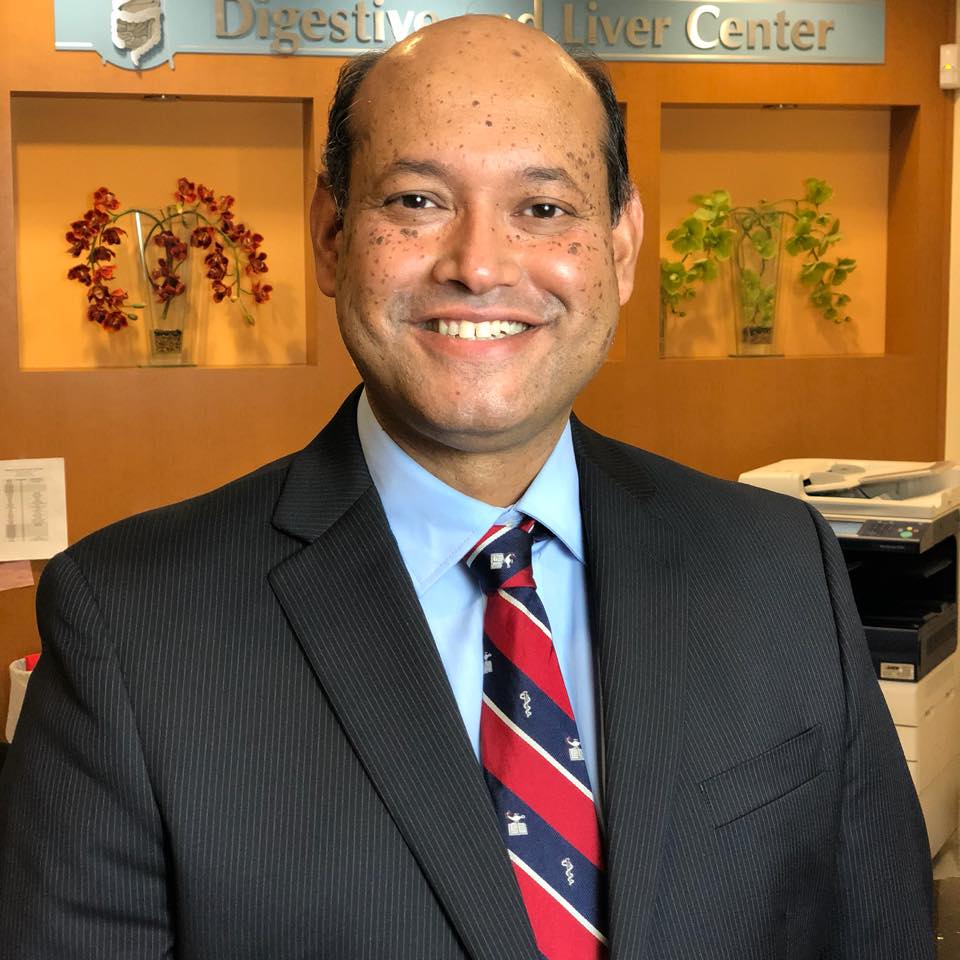
By Dr. B. M. Atikuzzaman
The United States healthcare system has long struggled with a physician shortage, particularly in rural and underserved communities. A recent policy shift by the Trump administration has deepened that crisis in ways that are only beginning to be understood. Under the new directive, certain critical immigration benefits — most notably the renewal of work authorizations — have been temporarily suspended for nationals of 39 countries. The consequences are already playing out in clinics and hospitals across the country, where thousands of immigrant physicians are finding themselves unable to continue practicing medicine.
The scale of immigrant physician contributions to American healthcare is often underappreciated. Nearly one in four doctors practicing in the United States was born abroad. A disproportionate number of them serve in the very communities where physicians are hardest to find — rural towns, low-income urban neighbourhoods, and federally designated health professional shortage areas. When these doctors are sidelined, it is not an abstraction. Real patients lose access to real care.
Under normal circumstances, physicians on H-1B visas who apply for work authorization renewal are permitted to continue working for up to 240 days while their applications are processed. The current suspension has frozen that mechanism entirely. As a result, physicians across the country are being forced to choose between taking unpaid leave, stepping away from their positions, or leaving the United States altogether. Many
remain in the country legally but are effectively barred from practicing — trained, credentialed, and ready to work, yet prohibited from doing so.
The effects on patient care are tangible and growing. Appointments are being cancelled or pushed back by months. Other physicians are absorbing heavier caseloads than are sustainable. In some facilities, hundreds of patients are going without adequate access to care. As one physician put it, even the loss of a single doctor in a system already stretched thin creates ripple effects that reach far beyond the hospital walls.
The psychological toll on immigrant physicians is equally serious. Even those whose work authorizations remain intact are living under significant anxiety and uncertainty. Many report difficulty sleeping, heightened stress, and reduced ability to focus — conditions that, if left unaddressed, can themselves affect the quality of care delivered to patients.
The Department of Homeland Security has stated that the suspension was prompted by concerns that certain applications during the previous administration were not properly vetted. However, no clear timeline has been provided for when the freeze might be lifted, and no specific exemptions have been announced for healthcare workers despite the policy’s obvious public health implications.
The broader regulatory environment is compounding the problem. H-1B visa fees have risen sharply, in some cases reaching as high as $100,000. Legal challenges are costly and time-consuming. Hospitals that wish to sponsor foreign-trained physicians face an increasingly difficult administrative and financial burden. More than 20 lawsuits have already been filed challenging aspects of the policy.
Other countries are watching — and moving quickly. Canada, in particular, has begun actively recruiting immigrant physicians displaced or deterred by American policy, offering accelerated pathways to permanent residency and other incentives. The United States risks not only losing the physicians already practicing within its borders but also deterring the next generation of internationally trained medical talent from choosing America at all.
This is no longer simply an immigration debate. It is a public health crisis in the making. The forced idling of immigrant physicians is disrupting patient care, straining an already overburdened system, and threatening the long-term stability of American healthcare. The time has come to reassess this policy with clear eyes — because a crisis for physicians is, in the end, always a crisis for patients.
–
Dr. B. M. Atikuzzaman is a specialist physician, researcher, and healthcare administrator at the Digestive and Liver Center of Florida.