

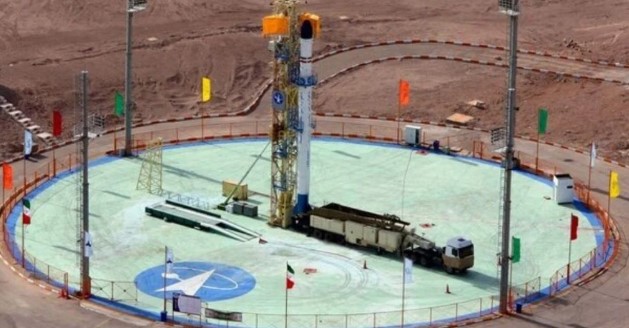
Iran is preparing to launch three satellites simultaneously as part of efforts to expand the country’s capabilities in space technology and satellite research.
Iranian Communications and Information Technology Minister Sattar Hashemi said Wednesday that the three satellites belonging to the Shahid Soleimani satellite constellation are scheduled to be launched before the end of the current Iranian calendar year, which falls on March 21, 2027.
The satellites—Paya, Zafar and Kowsar—are being prepared for a simultaneous launch into designated orbits. Hashemi described the project as an important step in modernizing Iran’s communications infrastructure and regional data-gathering capabilities.
He said the development of the space industry remains one of the Iranian government’s key priorities. The planned simultaneous launch, with assistance from Russia, would represent a significant development for Iran’s space program, according to the minister.
Satellites developed with universities and private sector
Hashemi said Paya, Zafar and Kowsar were developed through cooperation among government institutions, universities and private-sector organizations.
Iran is also pursuing several projects aimed at expanding its space infrastructure, although some of the country’s space facilities were damaged during the recent war.
Construction of the first phase of the Chabahar Space Center is now about 98% complete, Hashemi said, compared with approximately 40% previously. The facility is expected to serve as an important launch site for communications and remote-sensing satellites.
Iran also plans Nahid-2 launch
Iran is also preparing to place the Nahid-2 satellite into orbit. Hashemi said it is the country’s first satellite developed using Ku-band technology and that a female executive played a key leadership role in its development.
Nahid-2 is intended primarily for telecommunications applications.
24 satellites planned for Shahid Soleimani constellation
According to Hashemi, the Shahid Soleimani satellite constellation will eventually consist of 24 satellites—18 primary satellites and six reserve units.
Iran plans to launch the first three satellites together during the current Iranian year, with the remaining satellites scheduled to be placed into orbit in phases over subsequent years.
The initiative reflects Tehran’s broader effort to develop domestic space and satellite capabilities while expanding its communications, remote-sensing and data-collection infrastructure.
Available next action:
Create a downloadable PDF file here in this chat containing